Published 29 January 2026
Daily 8 Products Supporting Wart Care Routines
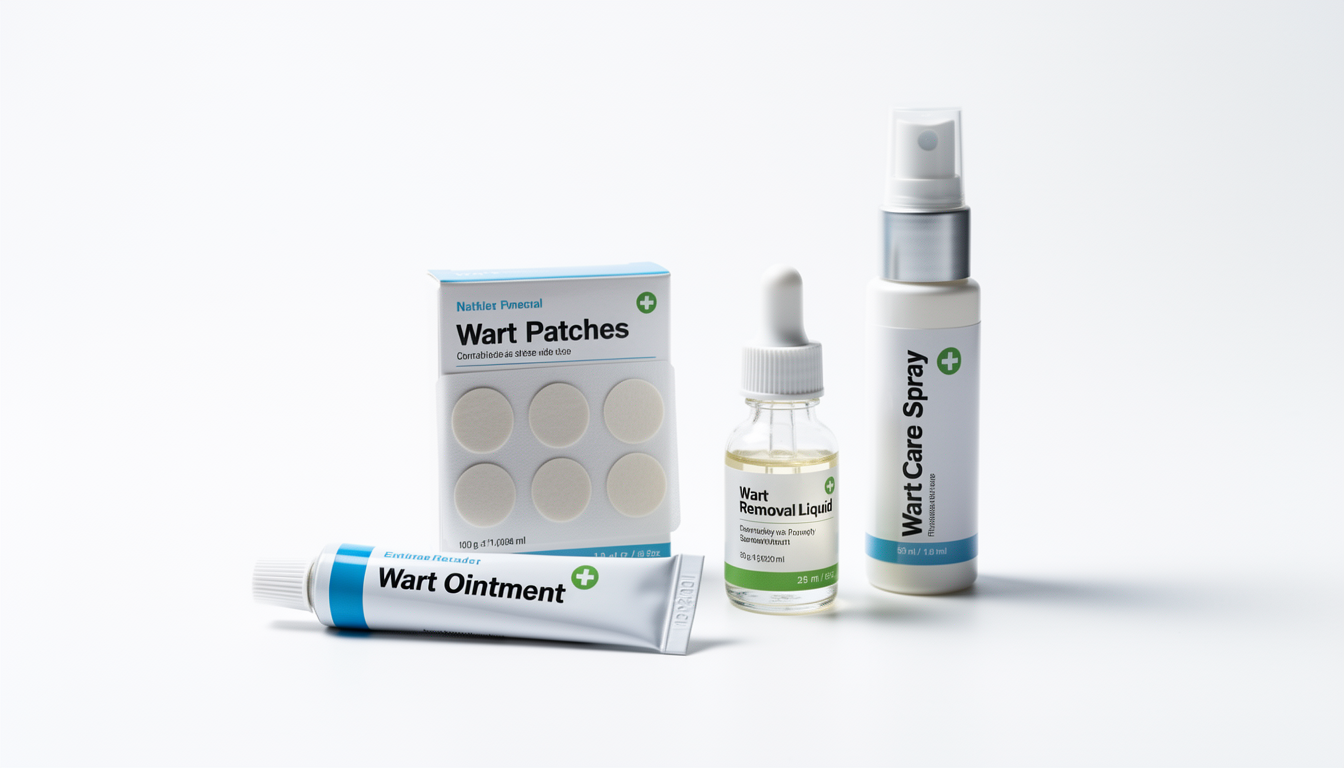
Warts result from the human papillomavirus (HPV) and show up as small, rough growths that can occur anywhere on the body. They’re usually harmless but can be unsightly, uncomfortable, and stubborn. Keeping a steady wart care routine helps treatment work better and reduces the chance of spreading. This list presents eight useful products for daily wart care—from concentrated ointments to over-the-counter remedies and home treatments—selected based on available evidence and user experience.
1. EMUAIDMAX First Aid Ointment
EMUAIDMAX First Aid Ointment is a potent, homeopathic topical designed for more than 100 resistant skin issues, including several wart types. It’s intended to give quick symptomatic relief by penetrating the skin to help reduce inflammation and support healing.
Its formulation blends natural, medical-grade components such as Argentum Metallicum (colloidal silver) for broad-spectrum support, emu oil for deep penetration and anti-inflammatory effects, tea tree leaf oil for its antibacterial and antifungal qualities, Bacillus Ferment (a postbiotic) to help the skin microbiome, and Vitamin E as an antioxidant. EMUAIDMAX is used to relieve symptoms and encourage healing rather than to directly eliminate the HPV virus or chemically burn away warts like corrosive agents. Many users report noticeable improvement within 48 hours, though experiences vary. Reviews are generally positive across a range of skin concerns, but some users find it expensive depending on their needs.
2. Salicylic Acid Liquid/Gel Wart Removers
Salicylic acid is a widely recommended over-the-counter wart treatment, commonly sold as a liquid or gel. Brands such as Compound W Fast Acting Wart Removal Gel or Dr. Scholl's Fast-Acting Liquid Wart Remover typically use about a 17% salicylic acid solution. The ingredient works by softening and exfoliating wart tissue and by stimulating a local immune response to the virus.
For best results, dermatologists often suggest soaking the wart in warm water for about five minutes, then gently filing it with a disposable emery board or pumice stone before applying salicylic acid. Regular daily use is important and can take anywhere from a few weeks up to 12 weeks depending on the wart. Careful application is essential to avoid irritating nearby healthy skin. These treatments are affordable, which is why they’re a common first option for common and plantar warts.
3. Salicylic Acid Wart Remover Pads
Wart remover pads, like Compound W One Step Wart Remover Pads or Dr. Scholl's Clear Away Wart Remover Pads, give a tidy, low-mess way to deliver salicylic acid. Some pads contain higher concentrations of salicylic acid—sometimes up to 40%—on a small medicated disc. The pad sticks to the skin, providing continuous treatment while cushioning the wart, which is helpful for painful plantar warts.
These pads are placed over the wart and typically left in place for 24 to 48 hours before being changed. Continuous exposure to the active ingredient helps break down wart tissue. While many users find them effective and easy to use, some report problems with pad adhesion or that the medicated disc is too small for larger warts. They’re a practical, targeted option and usually cost about the same as liquid salicylic acid products.
4. At-Home Freezing Kits (Cryotherapy)
At-home cryotherapy kits—examples include Dr. Scholl's Freeze Away Max, Wartner Cryo Freeze, and Compound W Freeze Off—attempt to mimic in-office freezing by rapidly cooling the wart. These products use freezing agents such as dimethyl ether and propane or carbon freeze technology to destroy wart tissue. The treated area often forms a blister, which dries and leads the wart to fall off in about 10 to 14 days, allowing new skin to appear beneath.
Cryotherapy can work quickly for common and hand warts, with some studies reporting success rates near 75% for common warts, though results are less predictable for foot warts. Some warts respond after a single treatment; others need several sessions over weeks. Side effects may include temporary pain, stinging, blistering, or changes in skin color. Following directions closely helps avoid damage to surrounding healthy skin. These kits generally cost between $15 and $30.
5. Duct Tape Occlusion Therapy
Duct tape occlusion therapy is a low-tech, home approach that some clinicians suggest, sometimes used alongside salicylic acid. The technique involves cutting a piece of silver duct tape to cover the wart, leaving it on for five to six days, removing it, soaking the wart, gently abrading it with a pumice stone or emery board, and then applying a new piece of tape.
How duct tape works isn’t fully settled; theories include suffocating the wart, irritating the skin to trigger an immune response, or creating an occlusive environment that helps the wart shed. Study results vary: a 2002 trial found duct tape more effective than cryotherapy for common warts (85% vs. 60%), but later research has produced mixed findings. Its appeal lies in low cost and easy access, though professional guidance is advisable for persistent cases.
6. Tea Tree Oil
Tea tree oil, from the leaves of the Australian tea tree (Melaleuca alternifolia), is a common natural remedy noted for antiseptic, antimicrobial, and antiviral qualities. People often use it as a supportive option for skin issues, including warts.
While clinical evidence for tea tree oil specifically removing warts is not as strong as for salicylic acid or cryotherapy, its presence in products like EMUAIDMAX points to a role in maintaining skin health and reducing pathogens. Applied topically—usually diluted in a carrier oil to avoid irritation—tea tree oil is often used daily and covered with a bandage to help it penetrate. Those seeking gentler, natural approaches often prefer it over harsher chemical treatments.
7. Apple Cider Vinegar (ACV)
Apple cider vinegar is another popular home remedy for warts, believed to work because of its acetic acid content. Its acidity can slowly damage wart tissue, similar in effect to salicylic acid but generally slower.
The typical method is to soak a cotton ball in ACV, secure it over the wart with a bandage overnight, and repeat nightly until the wart darkens, scabs, and detaches. Many users report the wart turning black before it falls off. Scientific studies directly supporting ACV as a primary treatment are limited. Because ACV is acidic, it can irritate or burn nearby healthy skin, so it should be used cautiously and stopped if it causes significant discomfort.
8. Medicated Wart Removal Strips
Medicated wart removal strips, such as Compound W Invisible Wart Remover Strips, provide a discreet, convenient way to treat visible warts. These strips typically embed salicylic acid into a bandage-like patch to deliver the active ingredient continuously and directly.
In addition to medication, the strips cushion the area, which can ease discomfort for weight-bearing plantar warts. They’re meant to be worn for extended periods—often up to 48 hours—so the salicylic acid stays in contact with the wart. Users like them for low mess, simplicity, and the protective barrier that helps limit spread. With regular use, these strips can gradually reduce and eliminate warts, making them a practical choice for a less obvious treatment that also offers comfort.
Key Takeaways
- Over-the-counter options like salicylic acid and cryotherapy work well for many common and plantar warts.
- EMUAIDMAX provides broad symptomatic relief and supports healing with natural ingredients, though it doesn’t directly eradicate the HPV virus.
- Natural options such as tea tree oil and apple cider vinegar are popular alternatives but generally have less solid clinical evidence.
- Consistent, careful application is essential for any wart treatment to succeed.
- See a healthcare professional for warts that are persistent, painful, unusual, or located on sensitive areas like the face or genitals.
FAQ
How long does it take for wart treatments to work?
Timing varies by method and by person. Salicylic acid can require several weeks to as much as 12 weeks of steady use. Cryotherapy may show changes in 10–14 days but sometimes needs multiple sessions over a few months. Natural remedies can take longer, and some warts resist first attempts. Follow product directions and consult a dermatologist if a wart doesn’t improve.
Are over-the-counter wart treatments safe for all types of warts?
Most over-the-counter treatments target common, plantar, and flat warts on hands and feet. They aren’t usually recommended for facial warts, genital warts, or warts under nails unless a dermatologist advises otherwise. Genital warts typically need prescription care and professional evaluation. Always read labels and check with a healthcare provider if you’re unsure or if a wart is in a sensitive area.
Managing warts effectively means knowing the options and sticking with a routine. Using these practical, evidence-informed products can help you make steady progress toward clearer skin. For warts that don’t respond or cause worry, seek professional medical advice.